Preview — the shop is not open for orders yet.
XIONG KILN
Search

Falangcai

Falangcai — "foreign enamel colours" — is painted enamel on white porcelain. It was first made for the Qing court in the early eighteenth century, when European enamel painting inspired palace workshops to paint enamels on porcelain made in Jingdezhen.
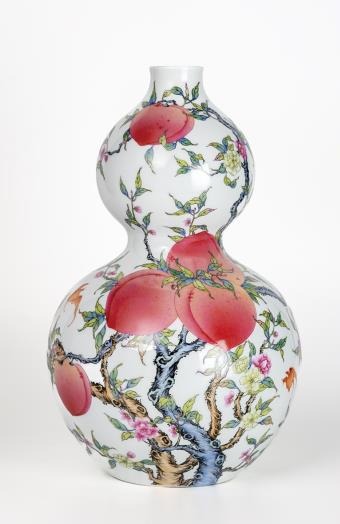
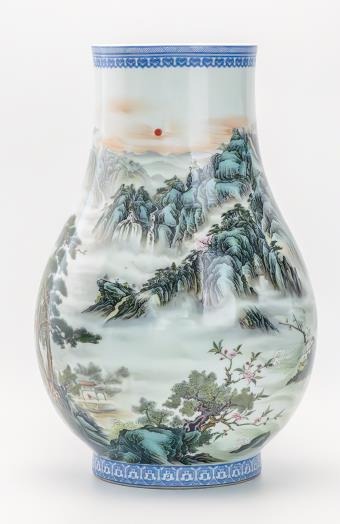
Nine Peaches Gourd Vase
“Rivers and Mountains of the Homeland” Vase, painted as a continuous landscape
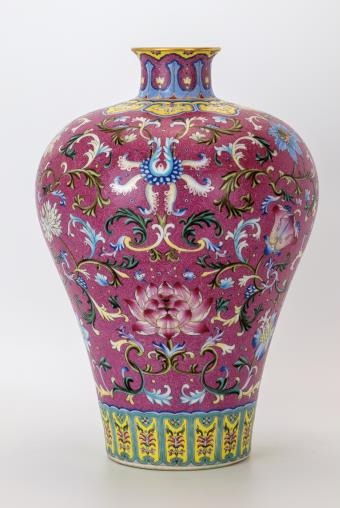
Meiping with Incised Scrolls on a Rouge-Red Ground
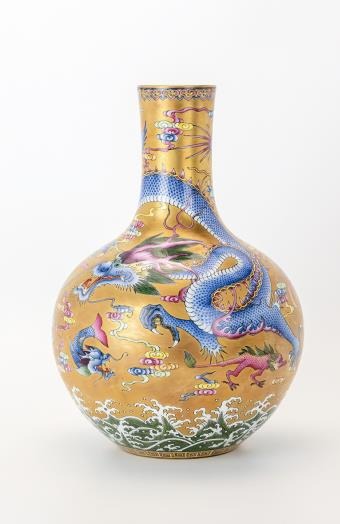
“Dragon in Harmony” Celestial-Sphere Vase on a Gold Ground

How it is made

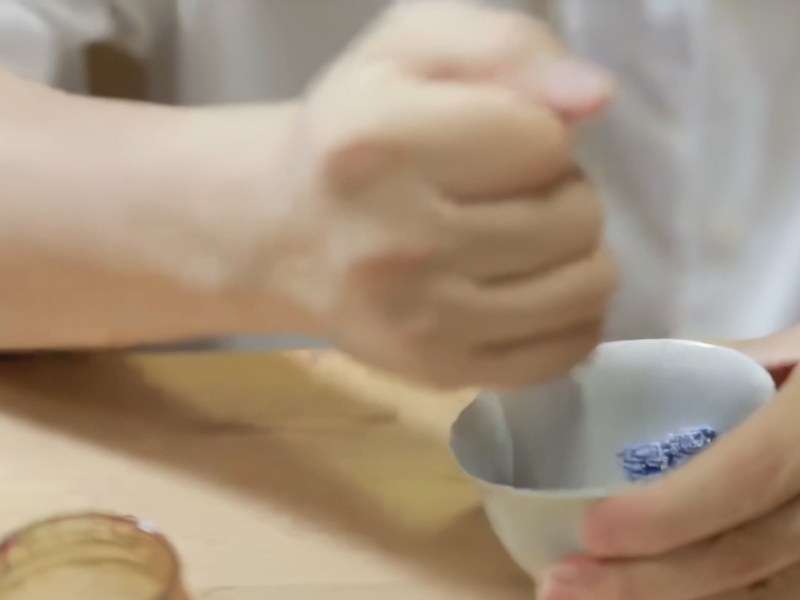
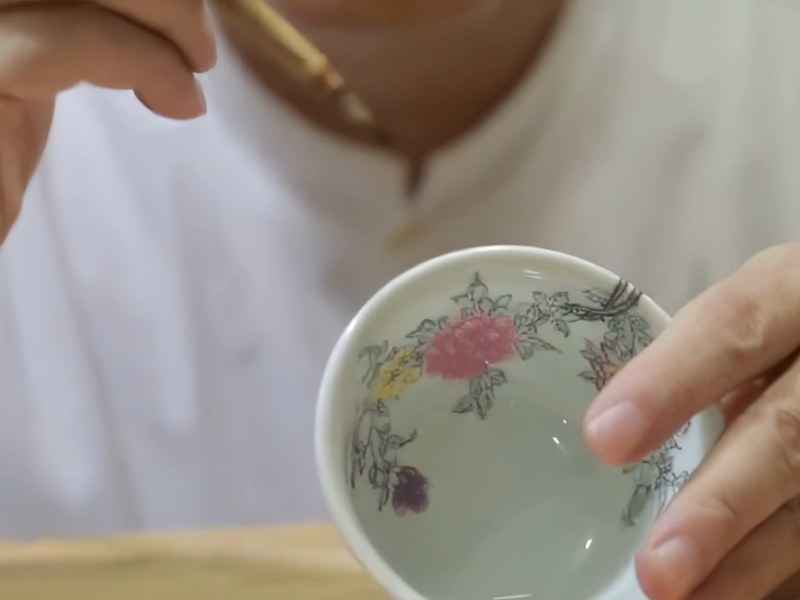
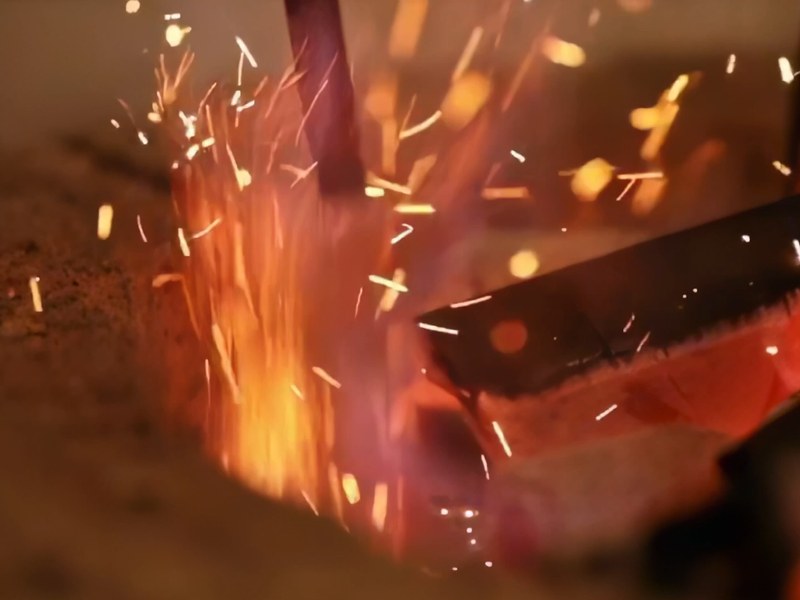
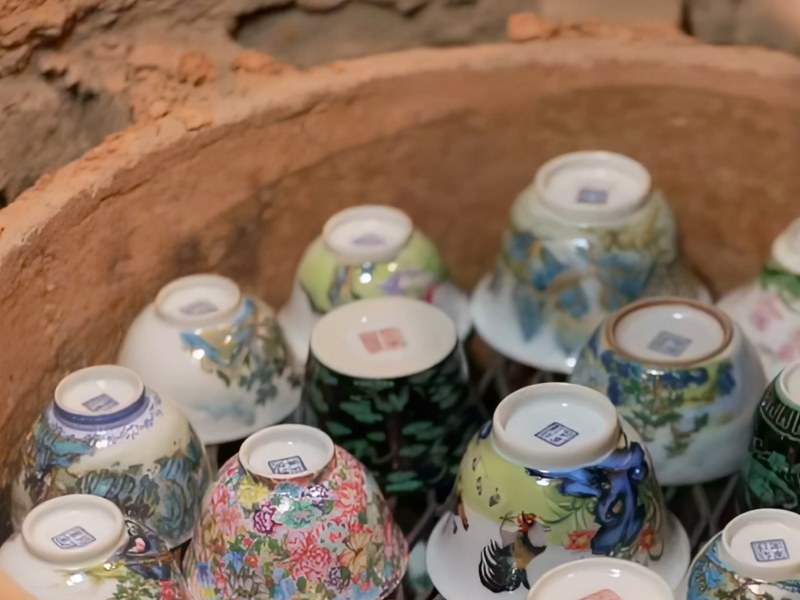
The white porcelain is fired first. The painter then mixes each enamel colour by hand and lays it on with a fine brush. Each colour is fixed in its own low-temperature firing, so a piece may pass through the kiln several times before it is finished, and a slip in a late firing can lose the work entirely.

At Xiong Jianjun Kiln

The history of the Xiong Kiln can be traced to the reigns of the Kangxi, Yongzheng and Qianlong emperors of the Qing dynasty, when the forebears of Xiong Jianjun fired porcelain for the imperial kilns. Falangcai of that period was an imperial treasure reserved exclusively for the court; its methods were exceptionally complex and closely guarded. Uniting Chinese painting with European enamel techniques, the falangcai of the Xiong Kiln was celebrated for its brilliant colours, its finely rendered flowers, birds and figures, and its exceptional artistic merit.

By the end of the twentieth century these methods had been lost for more than two hundred years. In 1998 Xiong Jianjun began working with the National Museum of China and, after eight years of research, restored the craft. He went on to develop the falangcai continuous landscape technique, in which a single landscape extends without interruption around the entire vessel. Read about the master.

Seventy-two imperial kiln processes

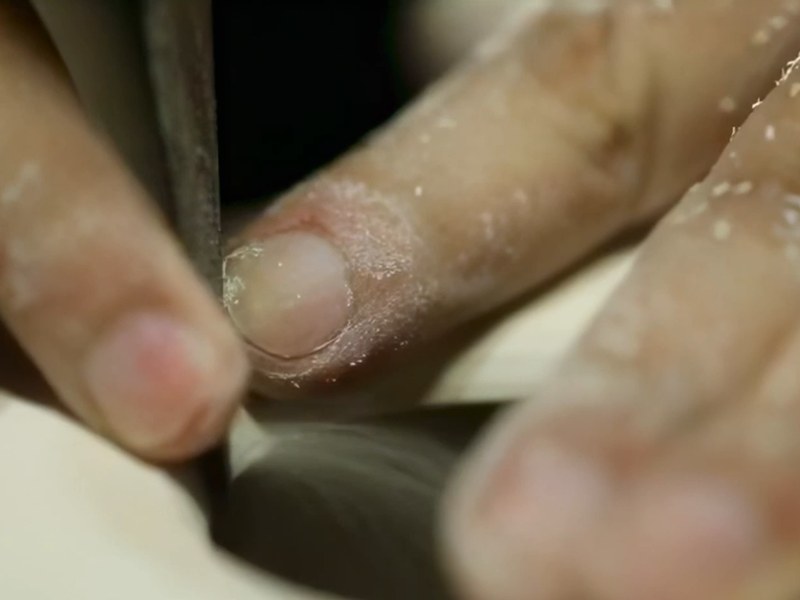
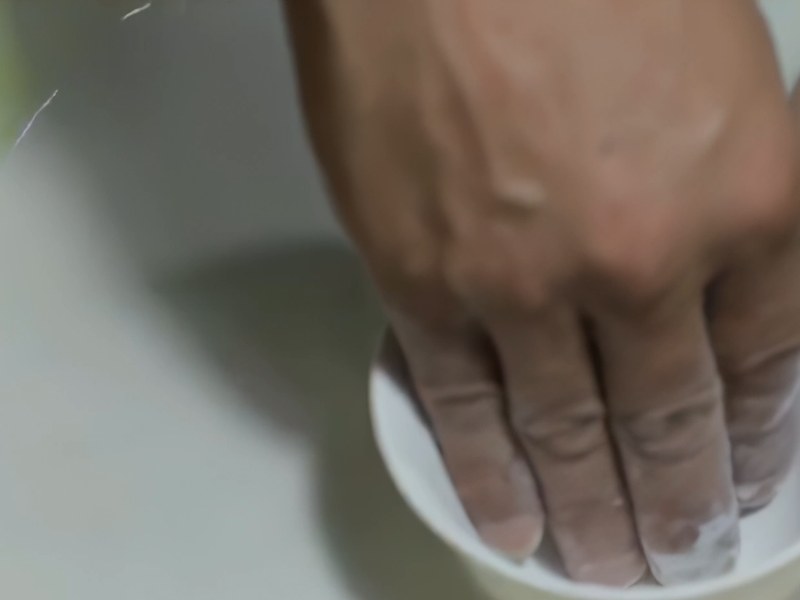
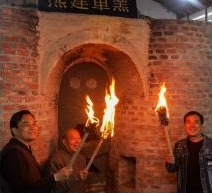
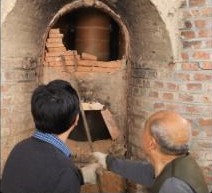
Every piece passes through seventy-two processes handed down from the imperial kilns. The film follows them at the kiln, from washing the clay to opening the enamelling furnace.

From clay to colour at Xiong Jianjun Kiln · 1 min 46 s

Eighteen of the processes:
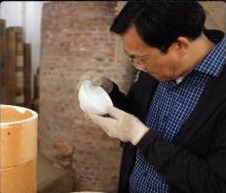
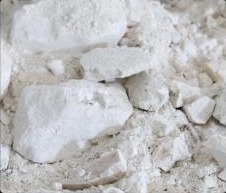
Selecting the Materials
Selecting the MaterialsKaolin, the raw material of porcelain
Washing
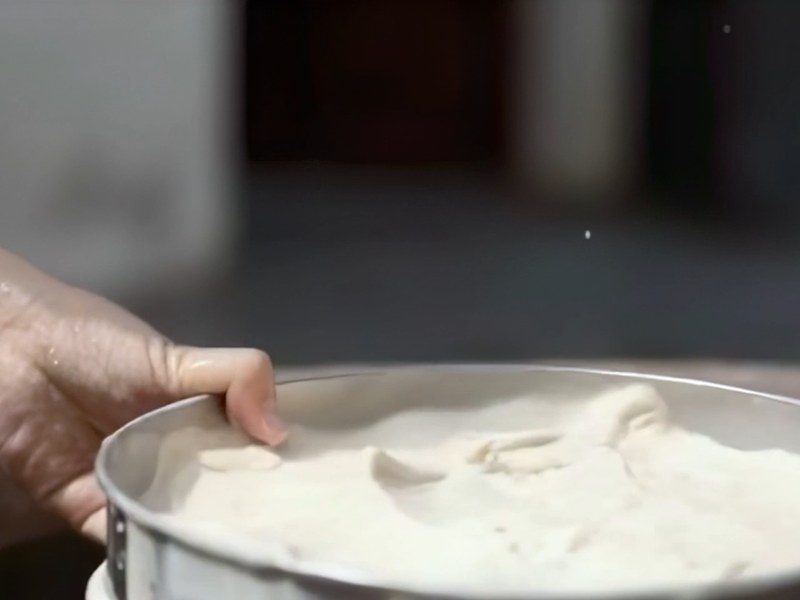
WashingCoarse residue is rinsed away to form the clay
Sieving
SievingThe clay is screened again in settling tanks
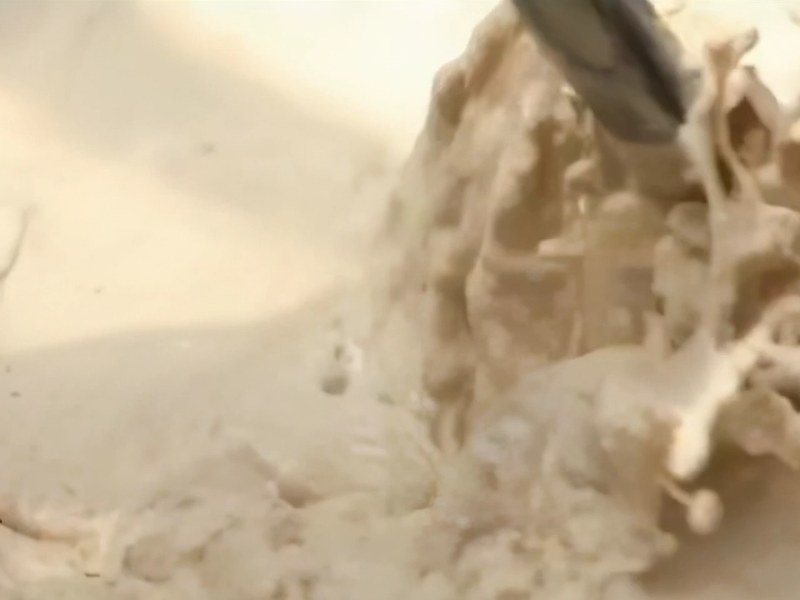
Treading
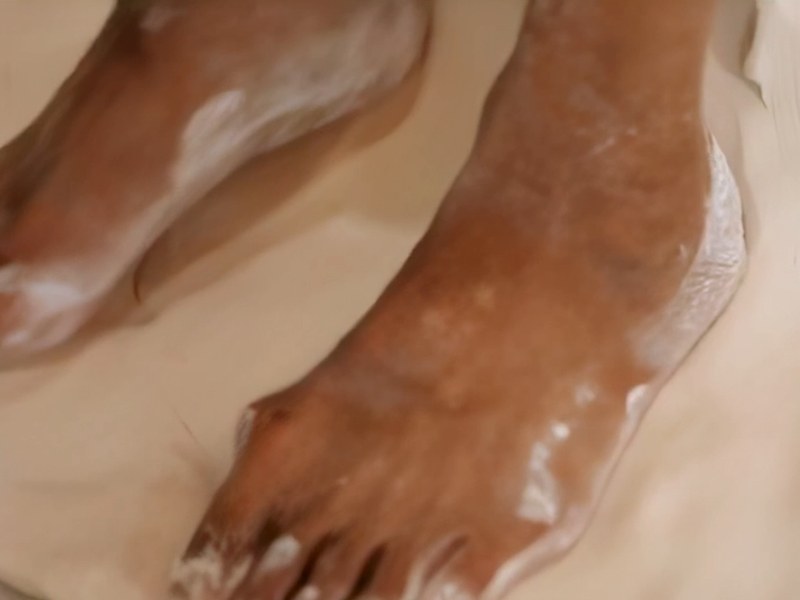
TreadingThe clay is trodden underfoot to drive out air
Wedging
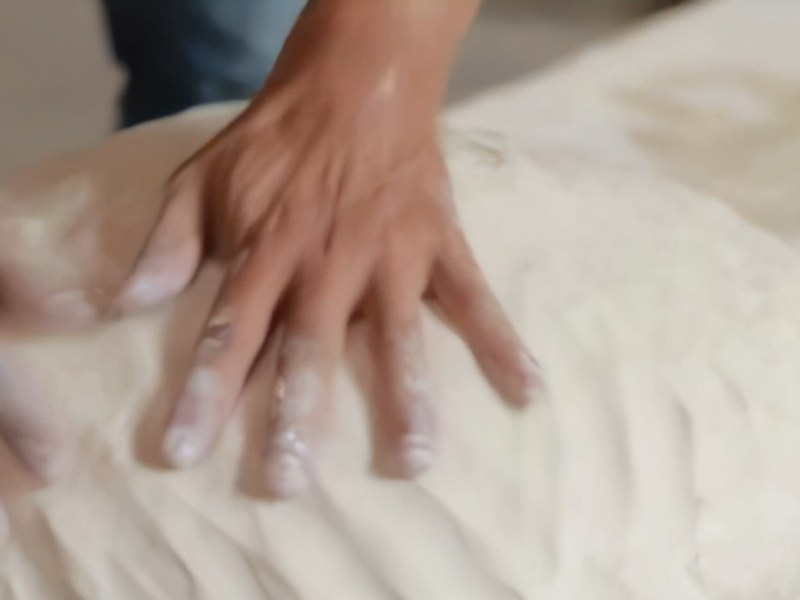
WedgingKneaded by hand to press out air and excess water
Throwing
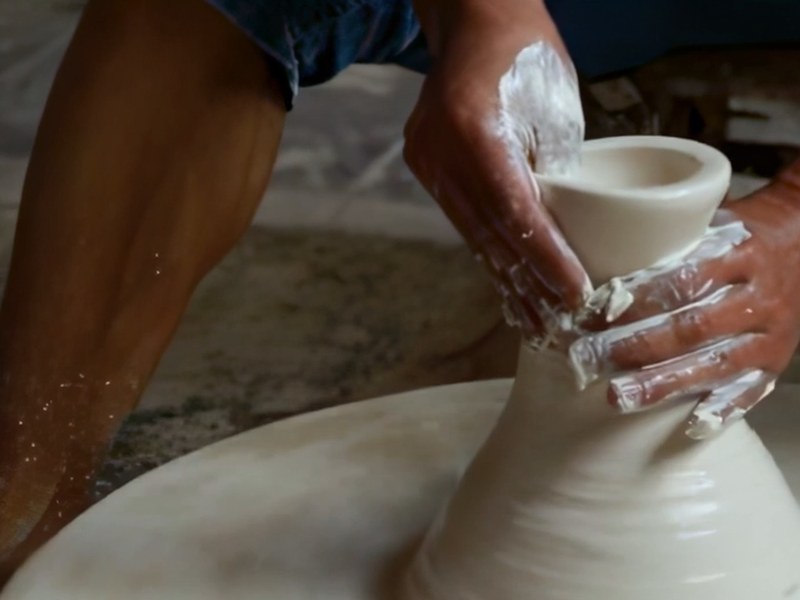
ThrowingDrawn up on the wheel into the required form
Trimming
TrimmingTurned to its final shape with specialised tools
Drying
DryingMoisture is removed to prevent cracking in the kiln
Glazing
GlazingGlaze is applied and fired at high temperature to form the porcelain surface
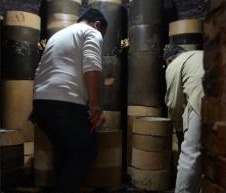
Loading the Kiln
Loading the KilnThe pieces are set in saggars and stacked tier by tier
Firing
FiringThe kiln is fired by established practice, its heat closely controlled
Opening the Kiln
Opening the KilnOnce the fire has died down, the saggars are opened and the porcelain removed
Inspection
InspectionEach piece is examined, graded and selected
Preparing the Enamels
Preparing the EnamelsEnamel colours are ground to a fine powder and mulled with water
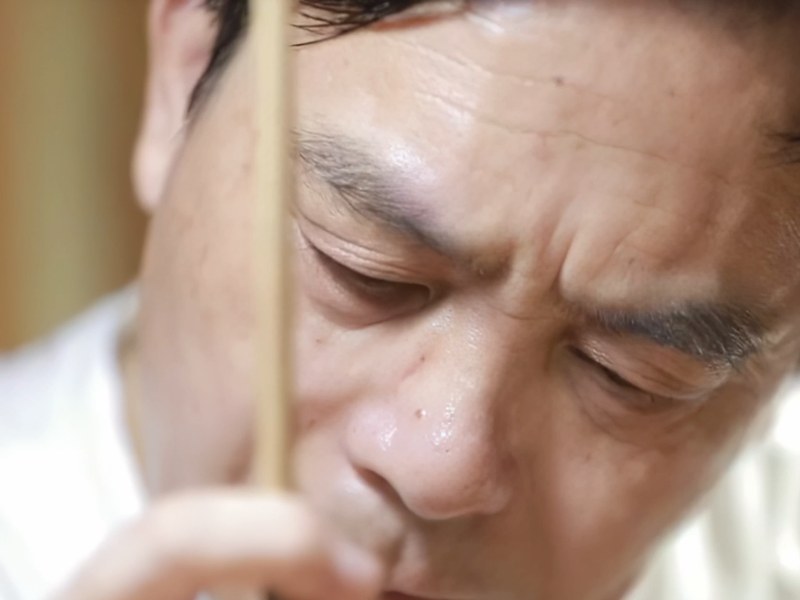
Painting
PaintingMeticulous decoration carrying auspicious meaning
Applying the Colours
Applying the ColoursEach colour laid in with care, by its own technique
Red-Furnace Firing
Red-Furnace FiringFired in the red furnace to fix the colours
Opening the Furnace
Opening the FurnaceThe finished porcelain
XIONG KILN
Your bag

Your bag is empty.